Ground System Design
- A proper ground system is fundamental for an effective and efficient use of space data
- Every mission is unique
- Spacecraft are increasingly software machines
- Evolution of ground systems follows the advances in digitalization
What do Ground Systems cover?
- Ground systems are the backbone of satellite operations
- Telemetry, Tracking and Command (TT&C) processing
- Handle data payload reception
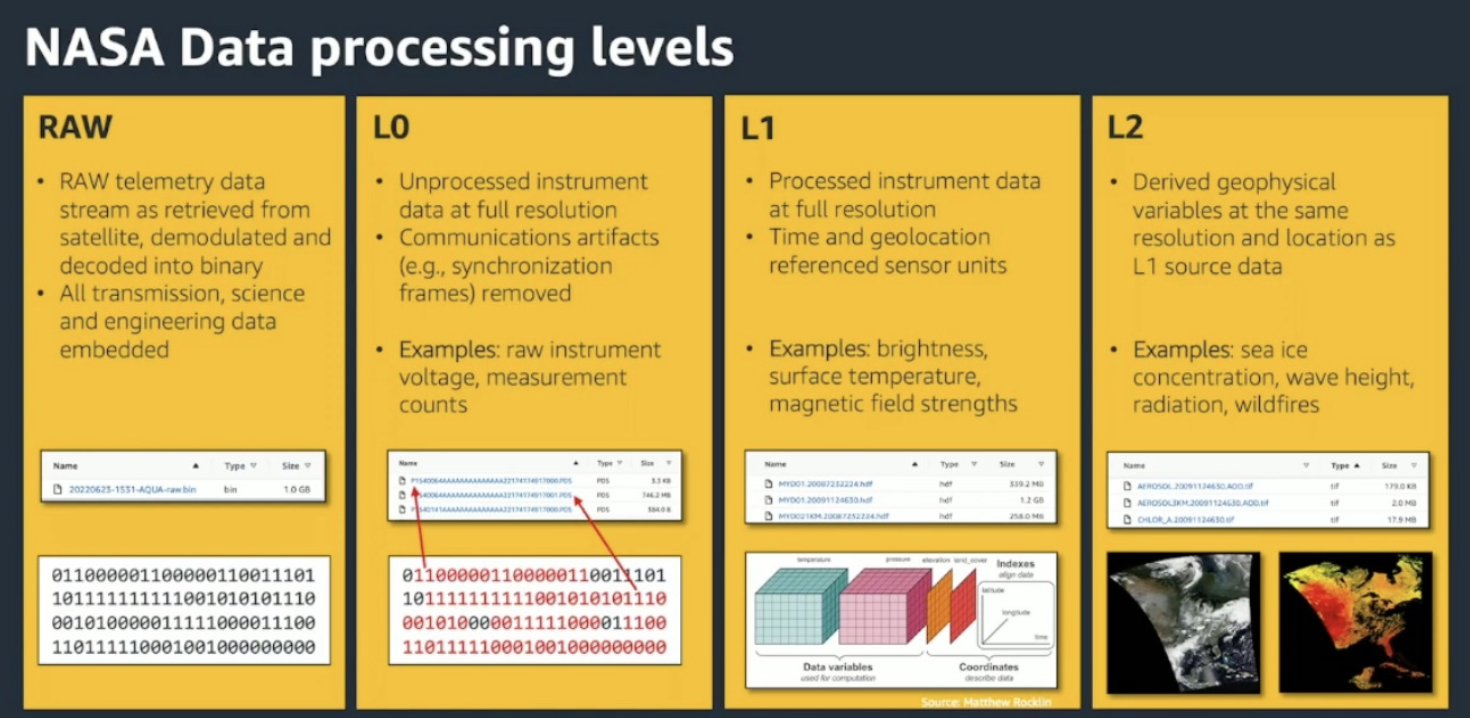
- Handle data processing
- Deliver contents to users
Ground Stations
Challenges
- Data volumes are getting higher
- Frequencies are getting congested
- Weather is impacting
- Missions to Mars are demanding
Different Ground Stations Networks
ESA ground stations for Euclid and Solar Orbiter
- Two deep space antennas
- Heavy upgrade was necessary
- Challenges with K-Band (26 GHz)
- High attenuation due to atmospheric water vapor
- Connection stability
- Overcoming K-Band limitations
- Safeguards implemented to mitigate data loss
- Enhanced robustness for data transmission across ESA missions
ESTRACK
- ESA's European Space Tracking network supporting communication with spacecraft
- Provides telemetry & telecommand (TM/TC), as well as data downlink capabilities for ESA missions
- Monitors spacecraft health and sends commands
- Automatic scheduling and anomaly detection systems
- Operates multiple ground stations worldwide for uninterrupted mission support
- Covers X-Band, K-Band, and S-Band
- Spacecraft tracking, data relay, and monitoring during mission-critical phases
- Role in supporting ESA missions
- Deep space
- High accuracy positioning for interplanetary missions
- Enhanced signal reception for deep-space communication
- Supports missions like Mars Express, Gaia, BepiColombo, Euclid, Solar Orbiter
- Earth observation
- Sentinel and Earth Explorer
- Deep space
NASA Near Space Network (NSN)
- "Blended Network"
- Comprehensive Support
- Global Ground Stations
- Space Relay Capabilities
NASA Deep Space Network (DSN)
- International array of large radio antennas
- Global Coverage
International Ground Station Cooperations
- Bilateral and Multilateral Agreements
- Define resource sharing, scheduling, and cost allocation
- International Standards
- CCSDS for interoperability, ensures compatibility across agencies
- ITU for spectrum allocation
- Data Access and Security Protocols: Rules for data sharing and encryption
Spacecraft communication
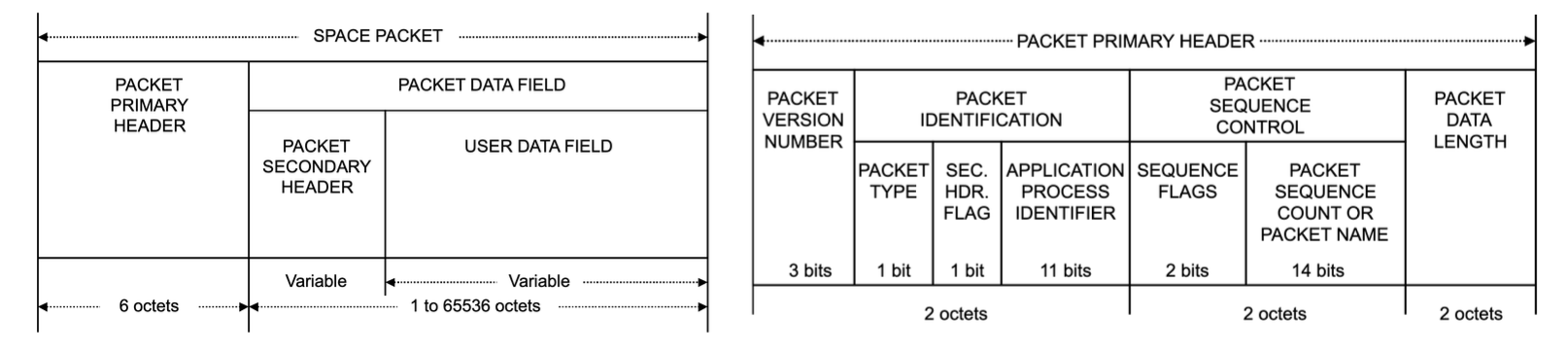
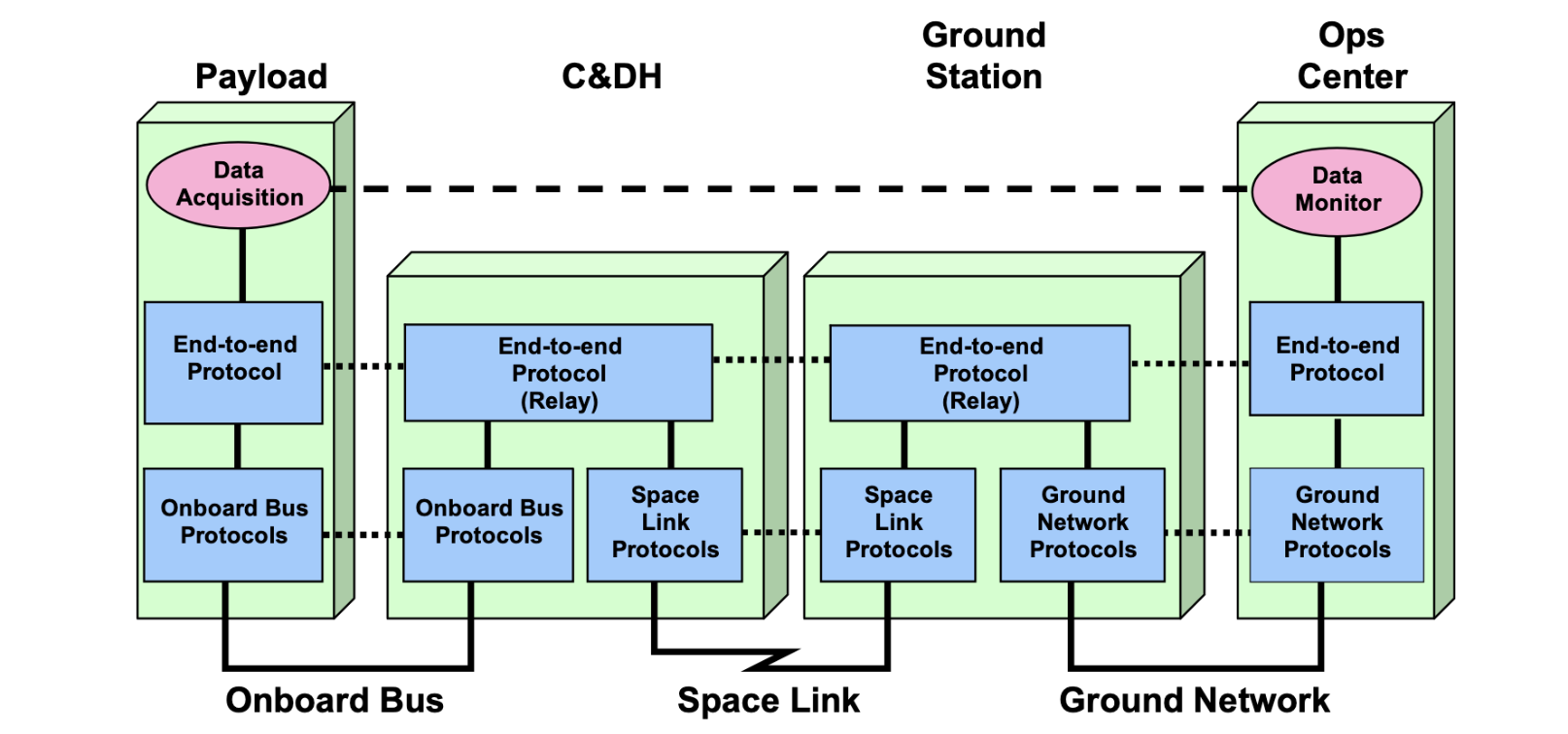
Consultative Committee for Space Data Systems (CCSDS) defines standards for communication in space, from space and also file delivery.
Data pipelines and processing